introduction
This story is pretty crazy.
And when I say crazy, I mean bad.
Hauntingly bad.
Not only was almost an entire family taken out, but government officials and criminals worked together to do it.
And although there were so many people who knew- and still know- the truth, the only ones to pay the price have either been chased away or silenced for good.
In the chaos of Georgia in the 90s, all of the male family members, along with their mother, were gunned down and or kidnapped never to be seen again.
This was the Toradze family from Tbilisi.
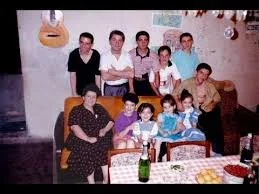
The Toradze Family
This case left an indelible mark on the collective and individual memories of a nation.
And people who have been accused of participating in this slaughter by multiple witnesses, still managed to live public lives.
Even if they were eventually caught up in other issues, they managed to go untouched by the justice system in regards to this particular atrocity.
Why is that?
How could murders be committed in broad daylight with plenty of eyewitnesses… but the case just can’t be solved?
Why didn’t the warning given by the president not produce a strong force able to combat the anarchy and pervasive wickedness that steadily creeped and devoured the people?
And what are the lessons to be learned from this?
Context
This period of time was not Georgia’s finest moment.
In fact, it was very bleak.
To get a better picture of how chaotic the 1990s were in Georgia, check out my other essays in this series.
It was during this time when literally no one was safe.
Whether you’ve known these people all your lives or they wore official uniforms, the bullets would be fired for pride and power.
Known criminals held leadership positions and justice was based on feelings.
People were hoping to simply survive and there was always a battle going on somewhere in the country.
The older Toradze brothers were caught up in this turmoil.
Though they had many warnings and opportunities to escape this fate, they refused on the grounds of their honor, confident at one point that death would not be the end result.
But they were wrong.
And by the time they realized it, it was already too late.
It’s important that I preface this by acknowledging the nature of many of these accounts.
This is largely oral history.
There’s a lot of “he said, she said” but all of the claims are not supported by verifiable evidence.
However, this does not mean that any claim without material proof is untrue.
It also doesn’t mean that everything touted as proof actually is true.
All I can do is relay what has been relayed.
Regardless, this will forever be a tragedy.
One of the Toradze sisters, Tamar Toradze, is the primary source for much of this information.
She was 13 at the time of this tragedy and witnessed two of her brothers gunned down in front of her.
So, we’ll start the story at the point she says to be the genesis of this escalatory conflict and break this story down into four major time periods.
Moment 1: An Officer’s Car
In the summer of 1991, the first serious attack on the family occurred when a boy called one of the Toradze brothers named Imedo out of the home.
His elder brother, Kakha followed behind him to whoever this guy was.
When Imedo made it outside, the guy shot Imedo in the shoulder and took off as Kakha chased after him, injuring his leg.
The brothers did have weapons, but I wasn’t able to determine if this injury was by gunshot or something else.
Although Imedo was clearly injured when he wasn’t before, the brothers wouldn’t tell their mother Izo and father Zaur what happened.
But of course parents are parents and they’re going to press an issue.
And the guy who shot Imedo happened to leave his own car behind and took off in someone else's.
Father Toradze got the details of the car and found out that it belonged to a police officer.
This in and of itself is concerning, but his job would make this exceedingly unsettling.
You see, Father Toradze was a government official working as a Deputy Minister in the trading department.
According to Tamar, he was an upstanding man who didn’t take bribes which was common during this period.
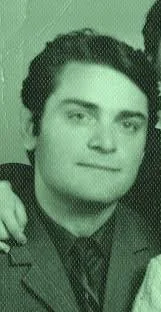
Zaur Toradze
This gained him friends as well as enemies.
Soon after the shooting, various law enforcement groups started appearing around the home.
However, the Mkhedrioni wasn’t a part of this moment as they didn’t have full control yet.
Watch or read my last story about the Tbilisi Civil War, and you’ll understand why.
At the time, Zviad Gamsakhurdia, then president, was out of the country.
Tamar reported that her father had said that they (likely the government) was trying to do something illegal while Zviad was gone.
When he took Imedo to the hospital, people came by the house taunting the younger children by saying the brothers were shot like pigs.
Tamar kept the door closed and told them to come back when there were adults present.
Father Toradze arranged a meeting with then chief prosecutor Boris Ivanov who was influential at the time.
Ivanov came to the home, apologized for what happened, and told the police to behave.
Moment 2: Kalandadze Street
In September 1991, Tamar recounted her brothers coming home one day visibly anxious- not like their usual selves.
They told the younger siblings who were just playing outside to go into the home.
The brothers spoke with their father then.
They told him how they had just been travelling on Kalandadze Street when members of a neighborhood gang called “Borot’ebi” stopped them.
In English, Borot’ebi means “the evils”.
Crazy.
These gang members were older than the brothers and told them that they were bothering one of their associates of sorts.
In one of the recordings in which the brothers recounted the story, they say that these gang members said that they didn’t really care about the guy the brothers were supposedly bothering, but told them not to do so.
Bothering could mean collecting money, taking things from someone, etcetera.
The brothers told them basically that they wouldn’t stop.
At this moment, Tamar said that before they could really converse, one of the gang members, Leri Sulaberidze, punched Imedo.
Lasha hit Leri and they all began fighting.
However, shooting started and everyone dispersed.
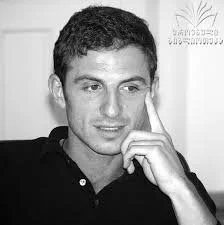
Leri Sulaberidze
After this, Bedo Kartsivadze along with another guy visited the home telling the brothers that they were right and would arrange a meeting the next day to resolve the matter.
Bedo knew the brothers and was the godson of a respected thief-in-law named Paata Chlaidze, aka Big Paata.
I’ll do an entire series on the thieves-in-law criminal organization, so be sure to subscribe to my channel and newsletter to be ready for when that happens.
One of the thieves’ approach to conflict resolution is to have a meeting.
At this meeting, a thief would act as a mediator and ultimate judge on the matter.
The losing party is expected to accept the judgement and consequence and move on from it.
The brothers were in the streets.
They did things that Father Toradze did not want them to do.
So, of course they knew how this meeting was supposed to go.
One of the stipulations Bedo gave them was to come to the meeting unarmed.
Imedo had called him again to confirm the need to be unarmed, and Bedo became offended by the confirmation request.
Father Toradze, worried about all of this chaos, begged them not to go.
However, they refused to listen to him, saying he was afraid and that nothing would happen.
Their dad kept reiterating that this entire war was coordinated on multiple levels and wasn’t a normal street dispute.
He kept urging the brothers to stop, to cease carrying weapons, and insisting that the family had no other recourse than to leave the country.
Since the brothers refused to listen to their father to not go to the meeting, he asked that some of them just not go so that they wouldn’t all die at one time.
The brothers obliged that request and only Zaza, Imedo, and their friend Zviad Gelovani went.
They met Bedo at the predetermined meeting point where Bedo then suggested that they go to his home to have this meeting.
But when they got there, around 30 men with machine guys rushed out of the home, beat the brothers and their friend and took them toward the Tskneti area.
There, they tried to force them to apologize for what happened on Kalandaze Street.
But they wouldn’t and therefore were shot in their legs.
Giorgi Ramishvili started shooting the brothers car according to Tamar and the gangsters took the radio out of their car which was expensive at the time.
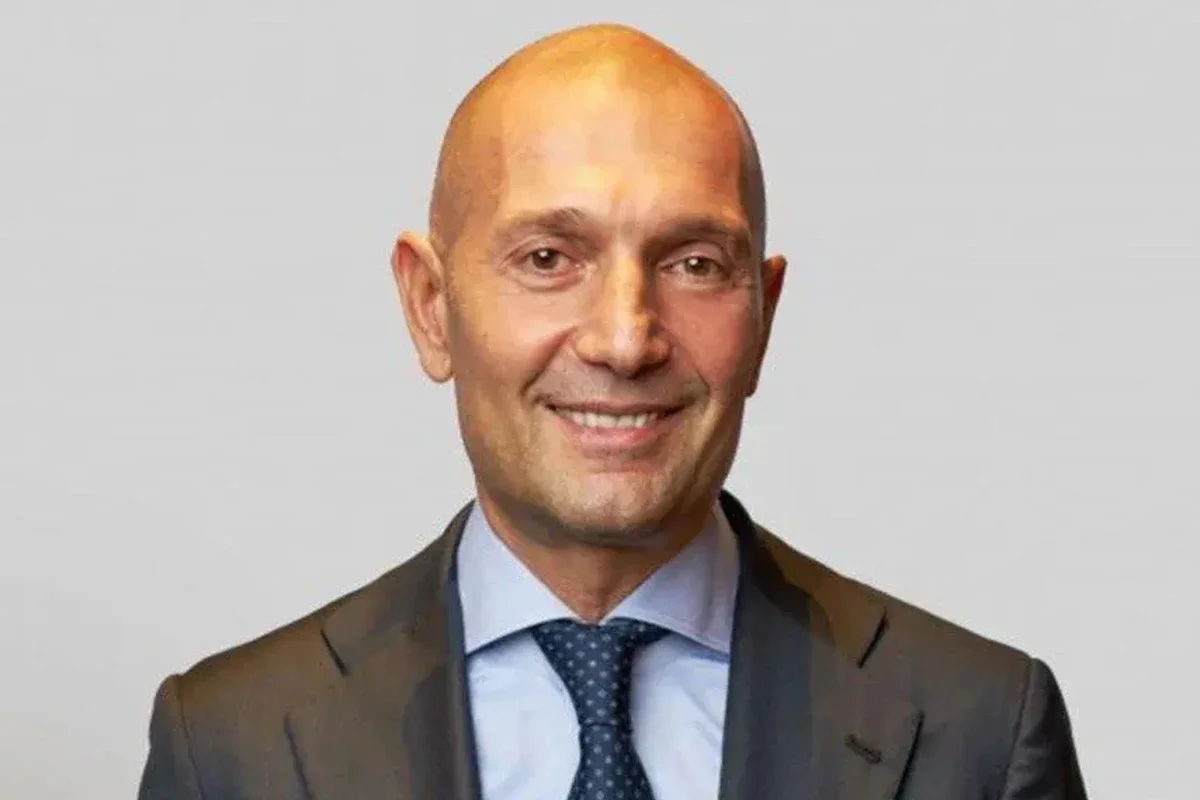
Giorgi Ramishvili
After their unsuccessful attempt to force a humbling, the kidnappers stole the boy's car and left them there to fight for their lives.
Out of all three of them, Zaza was the only one able to muster enough strength to go look for help.
He came across a passerby and was able to get help that saved their lives.
When Father Toradze received word that they were in the hospital, he brought them home to get better.
During this time, other gangsters came by the home to tell the brothers how what happened to them was so wrong.
Tamar said that she didn’t know if the guys doing this were enemies of her brothers or actually enemies of her father.
But the situation was so bad, that even Father Toradze had started suggesting that they join an armed group like Mkhedrioni for protection.
But that didn’t happen.
The brothers moved more and more into themselves and increasingly saw no possibility for peace.
But even with all that had already occurred, they still underestimated the lengths that their enemies were willing to go.
Moreover, they didn’t even know fully who their enemy actually was.
So, they decided to try to figure that out.
Moment 3: Last Chance
The brothers found out that the leader of the Borot’ebi gang was named Geladze and decided to do something that would become another situation.
The brothers and their friends found out where Geladze lived and attempted a stakeout.
However, they were spotted and another shoot out began.
Some of them made it to the hospital.
But some didn’t.
No one knew where Imedo went in the chaos until the next morning when he called and told them he was at a friend’s house.
At the time, there was a curfew in the city.
Anyone who was out past a certain time was liable to get shot.
But a mother is a mother.
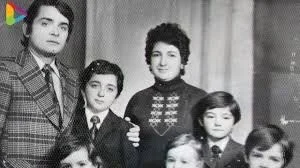
Parents of Toradze children
The boys were in the hospital and therefore Mother Toradze traveled there during the curfew to reach her sons.
Though the Toradze brothers survived, one of their friends unfortunately lost his life.
He was found dead on the street due to blood loss and his parents kept calling the Toradze family blaming them for the loss of their son.
Their other friend Zviad was wounded and recovering at home when Giorgi Rurua, aka “Zhorika”, reportedly came to his home and forced him to reconcile with him at gunpoint.
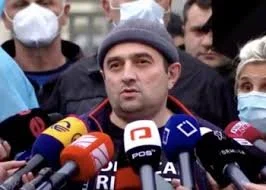
Giorgi Rurua aka “Zhorika”
The brothers were at their home recovering at the time when Zviad wanted to come over.
However, they refused this as to try to ensure that he stayed safe and at least was able to stay in Rurua’s good graces.
Tamar says that this may have saved Zviad’s life.
Zaza struggled to walk on his own after this incident and the police came to the home afterward to interview them.
This was simply a formality and the brothers refused to tell them details about their conflict.
Throughout this ordeal, the thief-in-law, Big Paata, had visited the Toradze brothers at least four times.
Tamar recorded one of the last conversations had between them, which is available online.
In the recording, Big Paata is trying to convince the brothers to have a meeting and reconcile with their enemies as he knew this situation would only lead to death.
He told the brothers that they were young, had a future, were right, but that their enemies were strong and vicious.
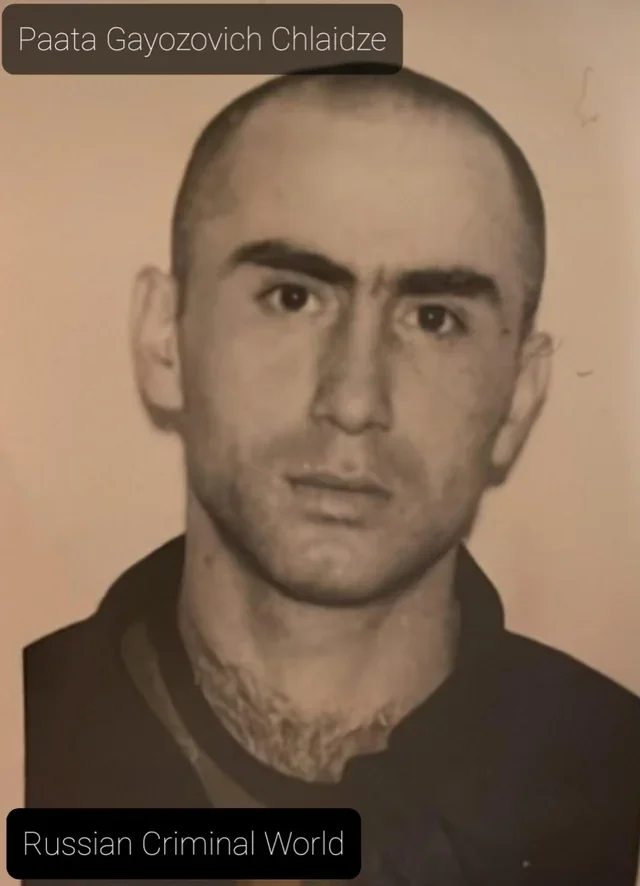
Thief-in-law Paata Chlaidze aka “Big Paata”
Even with this urging by a high-level and respected criminal, the young men said that there was no way they could forgive their enemies.
They even went further by saying that they were ashamed to have enemies like this as they weren’t real men.
Big Paata, frustrated with the Toradze’s pride while being genuinely concerned for them knowing that they clearly didn’t comprehend the magnitude of who they were dealing with, told them that whoever kills first will have a problem with him.
All the while, Father Toradze continued foreboding the family’s demise.
He said that the family was now on a blacklist as “they” didn't want him to give the information he had on them to Eduard Shevardnadze who was coming back to Georgia.
Whether the conflict was connected to Father Toradze, his sons, or both, his worst fear was closer to happening than they may have realized.
Moment 4: Father Was Right
March 3, 1992 was a day that changed everything.
Zaza was at his wife’s home recovering from his wounds during this time.
Meanwhile, Lasha’s doctor had called the family and said that he would need to be brought into the hospital to have his dressings changed instead of changing them at home.
Mother and Father Toradze took Lasha to the hospital as normal.
But on their way back home, there was a 10-15 minute long shootout near Vera cemetery.
Word made it back to the siblings that were home that some people were shot and killed in a car with the license plate number 111107… Father Toradze’s plates.
Three members of the family had now been executed.
Upon hearing this, Kakha attempted to run out of the house but was stopped by neighbors telling them to prepare it for the bodies to be brought in.
But then they saw tank and armed people in uniforms moving in on the block.
A residential block.
Being the eldest sibling there, Kakha instructed his younger siblings including Imedo, Tamar, the other sisters, and the youngest Toradze brother who wasn’t involved in the conflict at all, Paata, into the bathroom as there were no windows there.
When they tried to leave again, a neighbor stopped them from going downstairs and instead sent them to hide in her 7th floor flat that wouldn’t lock.
So, they ended up hiding in a different neighbor, Tamriko’s, flat who had two small kids there.
Kakha was calling people, including people in Russia while they were hiding out in the tiny apartment.
Tamar recounted how he and Imedo would speak amongst themselves and pray at various points.
As they hid, people ransacked the family’s flat, were shooting, and cleared the building of other people.
They even pointed their guns at police when they said that the Toradze brothers should be arrested and not killed, telling them to stay out of it.
Another neighbor had taken the Toradze brothers' guns to hide them thinking that armed individuals were coming to arrest one or both of the brothers.
One neighbor repeatedly told them that she could organize an escape for the siblings, but the brothers refused the help.
Additionally, they refused to hide under the bed although the neighbor offered to make it work.
And honestly, I don’t know why they refused.
The gunmen made their way to the seventh floor apartment and threatened to deploy grenades and kill everyone.
So, Kakha made a fateful decision.
He told the neighbor to open the door.
The neighbor tried to get the brothers to hold her two young children who were about two and four years old as an attempt to appeal to the gunmen's humanity that they wouldn’t endanger innocent children.
But the brothers refused, saying they would not use little children as shields.
It wasn’t honorable.
Paata was hidden under the sofa while his sisters sat on top of it to further shield him.
When the gunmen asked where the brothers were through the door, the neighbor told them to put the guns down due to the presence of children.
When they were let in, the brothers announced that they were present and unarmed.
But that didn’t matter.
As Kakha tried to shield Imedo, the gunmen, one of which Tamar says was Zhorika, opened fire on them both.
Then Zhorika took out a handgun, pointed it at everyone else, checking for other men, and turned it back onto the already slain brothers to fire a few more shots into them.
Then they left, shooting out what was interpreted as celebratory shots on the way.
Paata came out of hiding and cried beside Imedo and closed his eyes.
A neighbor named Tamara was shot in the leg having been caught in the crossfire.
After the shooting, lots of people began gathering outside the apartment and managed to be let in eventually.
Tamar reports that someone named Goga Z. came in with a machine gun telling them not to cry for their brothers because their parents didn’t raise them well.
One of the men took Paata to the bathroom and put a gun to his head, but was stopped from shooting him by someone who was a part of the enemy camp.
Additionally, Gela Lanchava, a military officer, was reported by multiple witnesses as being the one who brought the tanks.
Tamar says that he said in regards to the executions that this is what happens when you’re a Zviadist- a supporter of the just ousted president of Georgia.
Sidenote, Gela had actually offered to help Lasha after the shootout with the Borot’ebi where their friend was killed.
It turns out that this friend of the brothers was actually a close relative of Gela.
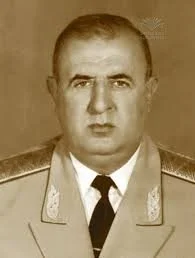
Gela Lanchava
He wanted to know the name of the shooters, but the brothers didn’t give it.
Remember, they never fully understood who their enemies were and what the set-up was and was actually for.
Separately, Zhorika was accused by Tamar and another woman named Maia Vephkhvadze as being the leader of yet another gang in the neighborhood known as Veris Sadzmo which was supported by Jaba Ioseliani: the founder of Mkhedrioni.
This woman was the sister of a Mkhedrioni member named Zaza Vephkhvadze.
She claimed years later on social media that Rurua was responsible for the death of both her brother and nineteen year old son.
The overlap and volume of all of these different groups both working together and against each other made telling who was trustworthy and who wasn’t almost impossible.
Back to the apartment though.
The entire scene was chaotic and moving fast.
Tamar said that a guy with black eyes came in and asked the siblings if they knew who killed their brothers.
However, their brother's friends had already told them not to cry and to act dumb with any questions asked of them.
They didn’t tell anyone that their eldest sibling, Zaza, was at his wife’s house at the time.
When they were allowed back into the flat, they saw that it had been looted.
Even still, Gela made Tamar sign a paper saying that nothing was taken.
The Fallout
This incident made headlines in the country due to just how gruesome and tragic it was.
Even a newspaper article preserved by Tamar well into the 2000s accused the brothers of killing a Mkhedrioni member, possibly named Kote Bibilauri.
They had even brought weapons to the family’s home to “prove it”.
With their parents gone, the young siblings couch surfed until they eventually returned to the flat.But even with the kids having witnessed their family get killed and losing their parents, that didn’t stop the cruelty.
At the flat, the siblings received calls where people said things such as they were going to come and throw their dead family members out of the window.
Friends of the brothers had been approached by their enemies and intimidated into becoming informants.
Still, some friends remained silent so as to not betray their people.
Eventually, Zaza was located and disappearedTo this day, it is unknown where he was taken and if he was killed.
Later on, a relative of theirs had informed them that she had overheard people at Metekhi Hotel saying it was time to take care of Paata who was growing up and would take revenge.
They believed that it may have been the Borot’ebi.
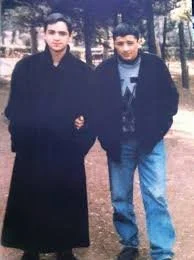
Paata Toradze on left. Photo taken week before his disappearance.
In February, two years after the massacre, 17 year old Paata and his friend were stopped while driving to school by people in a regular car.
Their IDs were checked and they were taken.
The kidnappers radioed other people and received coded instructions, one line which was “Let the pawn go and keep the figure”.
They covered Paata’s eyes and sent his friend away telling him not to look back.
Just like Zaza, the last Toradze brother disappeared without a trace.
I’m not sure what happened with the other sisters, but Tamar said that she ended up seeking refuge in a monastery due to murmurings that the people who killed her family may try coming after her.
Once she got married, they started leaving her alone.
Eventually, Tamar obtained US citizenship where she currently lives.
This isn’t the end of the story though.
Zhorika ended up being in yet another opposing party and founded an oppositional channel in Georgia which shut down named Mtavari Arkhi TV.
He was arrested on an illegal firearms charge in Georgia.
Halfway around the world, though, the US Foreign Relations Committee issued a statement condemning Georgia for raiding the United National Movement party’s headquarters and calling for the release of all political prisoners of which they explicitly named Giorgi Rurua.
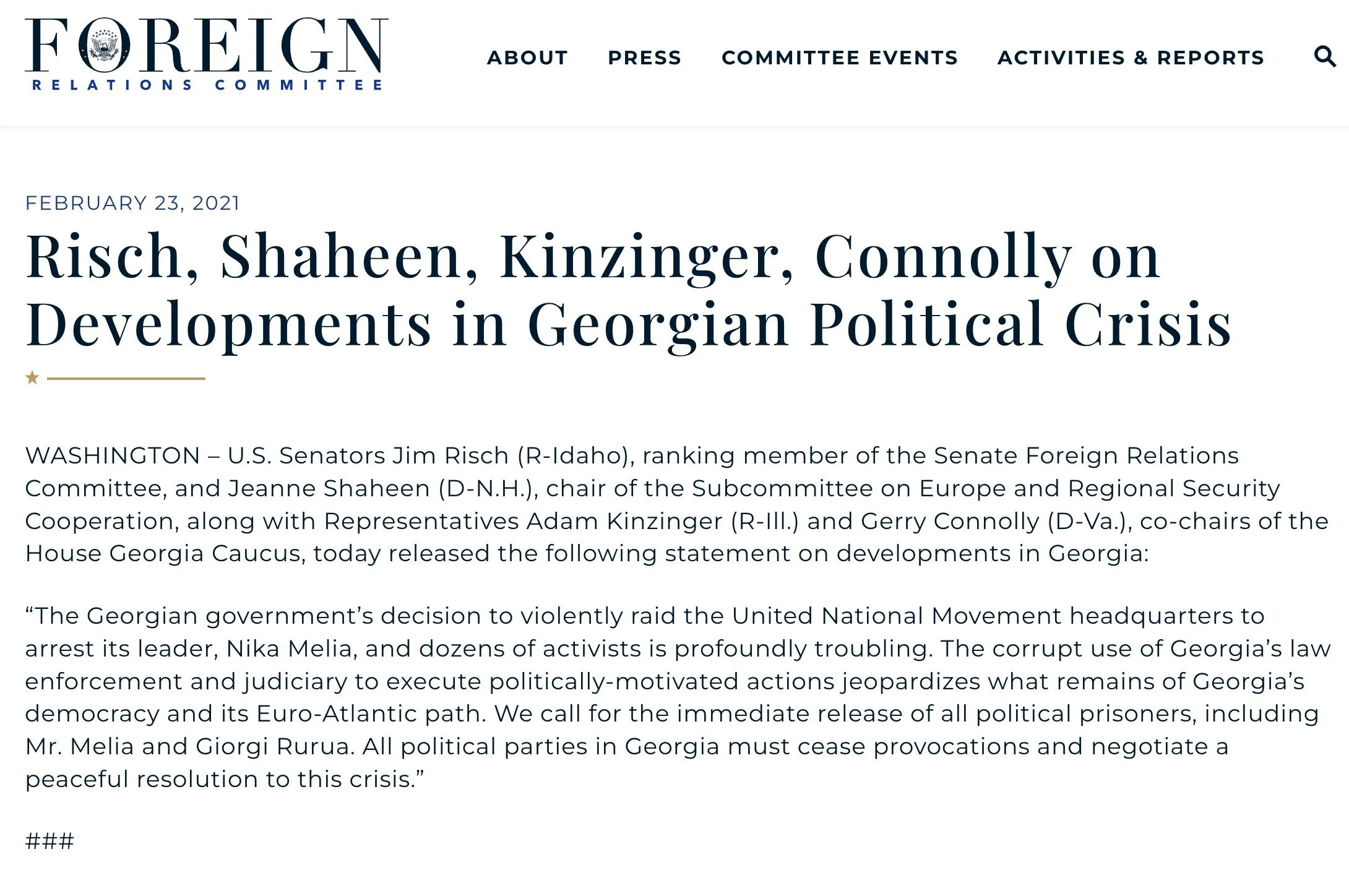
Foreign Relations Committee Statement
In response to this, Tamar wrote an open letter to US Senator Jim Risch detailing what happened to her family, the role she accuses Giorgi, aka Zhorika of playing in it, asking for help, and unequivocally requesting that he is not referred to as a political prisoner.
The Georgian prosecutor’s office ended up asking the US for help in investigating this event, but there still has been nothing to come of it.
Additionally, I managed to find that Giorgi Ramishvili ended up filing a lawsuit against Tamar and she counterclaimed it, but I don’t know the details of that or what came of it either.
Lastly, another crazy thing is that the man who put the gun to little Paata’s head that day is said to have ended up coaching kids’ soccer.
And remember the start of the problems where the brothers were said to have been bothering someone?
There’s a claim that had been floating around that the brothers had robbed someone of a jacket of sorts and that set the whole thing off.
So, there’s that.
The Present Day
This situation is tragic for so many different reasons.
One of them being that this was not unusual at the time.
You see, Georgia was experiencing a never ending nightmare having just ended a bloody civil war in the same city just two months before.
Death was commonplace at this time.
You wake up, have breakfast and small talk with your friend in the morning.
By the evening, word gets back that their blood has been spilled.
Yet, the people who allegedly committed these atrocities were still able to achieve levels of success and legitimacy without ever being held accountable for what they’ve done.
In fact, they even garnered supporters who don’t seem to have taken into consideration that what happened with this family could’ve easily happened to them.
The Toradze family massacre is an example of not only the evil people can operate in, but also the danger of pride.
Furthermore, it’s an unfortunate example of what can happen when a people are divided and there’s an exchange of integrity for power.
And lastly, this story supports the idea that ‘officiality’ does not automatically mean truth and justice.
Conclusion
Whatever the truth may be, there’s no doubt that the events that went down were unbelievably tragic.
Still, Tamar was able to make a life for herself.
And although possibly the greatest tragedy of her life occurred in Georgia, she was able to return years later and felt a wonderful shift in the atmosphere compared to what she came up with in the ‘90s.
She also wrote a book about this.
Unfortunately, I wasn’t able to locate an English language copy or get in contact with her.
Regardless, it’s amazing that she was able to still speak life even after experiencing death.